Denní trénink obsahuje 5 cvičení, která dohromady zaberou přibližně 15 minut – tento čas je ideální pro pravidelnost i viditelné výsledky.
Every completed exercise activates a new part of your neural network.
Once you complete all 5 exercises, the light bulb lights up – a symbol of successfully completed training.
Try to keep the bulb lit as long as possible – every additional day helps your mind stay active and in shape.
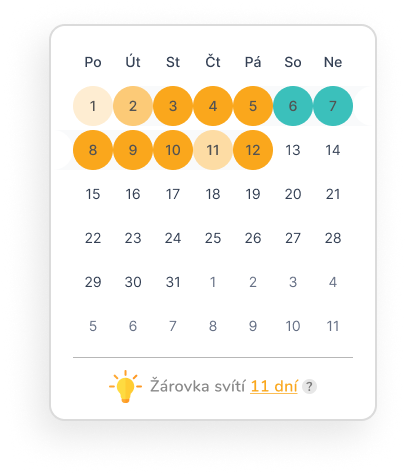
The calendar tracks your daily training activity:
1 exercise = 20% intensity
5 exercises = 100% intensity
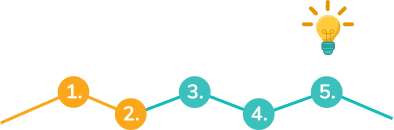
12345
Regular short training supports neuroplasticity of the brain, improves attention, memory and mental flexibility.

17. září 2014 | 2 minutes read | Mgr. Ivana Jakubeková | Memory and attention
is the ability to take in, store and recall information. Its function is closely connected with the nervous system, although the physiological mechanism behind this hasn’t been fully explained yet. Parts of…

is the ability to take in, store and recall information. Its function is closely connected with the nervous system, although the physiological mechanism behind this hasn’t been fully explained yet. Parts of the brain that are known to be involved with various types of memory are the hippocampus, amygdala and cerebellum, among others.
Depending on how long a piece of information is stored for, we differentiate between short-term, intermediate-term and long-term memory. Based on the type of input information we distinguish between haptic, echoic, iconic, gustatory and olfactory memory.
Further known types of memory are, for example:
declarative – contains information that are available for recall. This type of memory is divided into two categories – semantic (verbal) and procedural (experiences),
nondeclarative – its contents can’t be directly verbalised; we’re talking mostly learned skills.
The main processes involved in memory are:
encoding – taking in information and “saving“ them to memory
storage – retaining the encoded information for a period of time
retrieval – recalling the stored information from memory.
Memory is also closely tied to forgetting, i.e. the extinction of neural connections related to information retention.
“Why is it that our memory is good enough to retain the least triviality that happens to us, and yet not good enough to recollect how often we have told it to the same person?” - Francois de La Rochefoucauld