We hear from various sides that it is good to train the brain, memory, and other functions. But how to do it as best as possible? As is evident from the name, it is a training and it has its rules. Look at the following list and find out if you can advance even further in cognitive training. Cognitive training improves the overall level of thinking. However, it is important to start with it already at a time when you do not have any problems yet. It serves as an effective prevention. How to go about it and which steps are worth following?
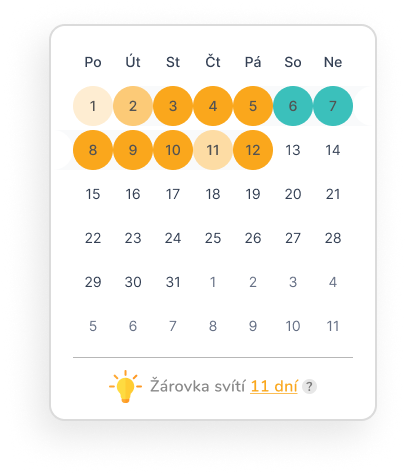
1. Pay attention to regularity: Making a ritual out of training cognitive functions is advantageous for two reasons. Firstly, you will feel more like doing it, and moreover – just like any other muscle – the brain works better if it does something regularly.
2. Variety is also fundamental: Imagine you are training for a match. You won't strengthen just your biceps either, but you will train the whole body. The brain also needs to strengthen various areas to be able to deliver a good performance and truly stay in the necessary condition. Indeed, the brain does not live by crosswords alone.
3. Go beyond the known: If you want to improve, your training must be about pushing your possibilities and more difficult tasks, in short, about challenges. Pay close attention to the automation of tasks! As soon as an activity becomes automated, you stop thinking about it and it no longer gives anything to your cognitive functions.
4. Do what you enjoy: Whether you train the brain preventively or it is directly indicated for you, it is good if you enjoy the training. Cognitive training does not necessarily have to be about drill and boredom, on the contrary. It can consist of pleasant moments during which you come to other thoughts. And an extra bonus – if you enjoy cognitive training, you will build a habit out of it more easily.
Tip: Cognitive training is not only about worksheets. It can also be about activities. Learn, for example, some new way to do your favorite things – try a new recipe, a new route to the shop, a long-planned trip, or assemble your own crate without looking for instructions, etc.
5. Use the time when you 'burn': For some, it thinks better in the morning, for some in the late afternoon. Take advantage of it. You will see that you will then return to training more gladly, and easily managed tasks will be your reward.
6. Indulge in comfort: During training, take care of your physical comfort. Be lightly sated, observe the drinking regime, have a comfortable chair and a well-lit workplace. If you do not like noise, turn off everything that distracts you. Make sure you have good ventilation, because the brain needs a lot of oxygen for its activity in addition to sugar. The more comfort you ensure for yourself, the more easily the tasks will go for you and the longer you will endure with them.
7. Do not forget about physical exercise: Movement helps memory. Include it in your daily schedule and interleave even longer cognitive training sessions with it.
8. Do not overstrain your forces: If you are starting with cognitive training, go about it slowly and gradually. The goal is not for your head to ache and to put yourself out of operation for the rest of the day. The goal is to practice. A runner also starts with a few kilometers run before running a marathon.
And What About Watching TV?
Watching TV is not a problem; the important thing is to stick to the advice 'everything in moderation', i.e., not to be passively at the TV for more than 2 to 3 hours a day (this applies to an adult, for children this number is naturally lower) and to watch educational programs. These include various knowledge competitions or documentaries.
Tip for you: A lot of educational programs run on the radio too, and moreover, you don't ruin your eyesight.
Tip for you No. 2: And have you tried audiobooks yet?
You read about the mind. Start training it.
Mentem translates insights about brain function into short, measurable and fun training.